July 2026
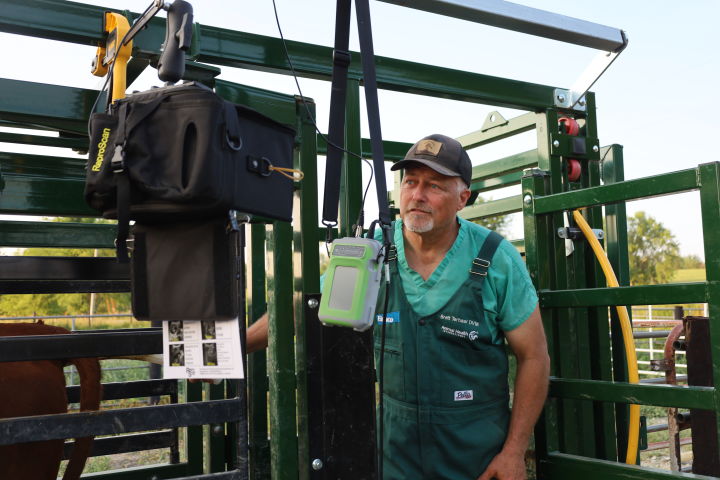
Doc Talk with Dr Terhaar
Doc Talk with Dr. Terhaar
Watch the video below as Dr. Terhaar walks us through an odd ovary on a heifer!

Tips for a Successful Preg Checking Season
ReproScan delivers simple, durable, and affordable ultrasound technology—backed by outstanding customer service and hands-on training.
How do you get the most data out of preg-checking?
Timing matters. To get the clearest, most accurate results, make sure your cows are presented in the right window:
- 45–90 days bred is the sweet spot for accuracy—especially if you’re determining AI vs. bull-bred pregnancies.
- Scanning under 100 days offers the most reliable fetal aging.
- During this phase, you can also identify fetal death loss and multiples, giving you better information to guide management decisions.
- By contrast, late second- and third-trimester animals are more difficult to age accurately.
Open vs Short Breds
A question we have been getting recently is “how do you differentiate an open vs short breds?” In the video below, Elle will explain the difference, what to look for, and how to get your probe in position to get the right image!
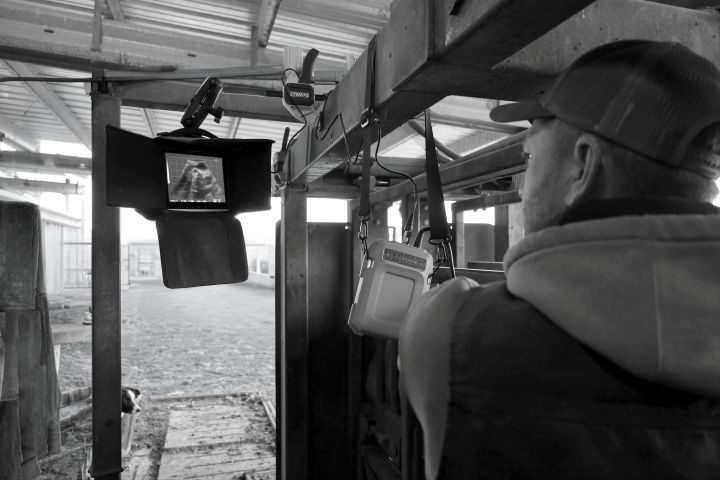
Resources are Co$tly
Identify productive animals with ultrasound.
Detect open cows early. Manage your herd confidently. Use resources smarter.
RESOURCES ARE VALUABLE; SO ARE YOUR OPEN COWS.
What are they costing you this year?
With cattle inventory being tight, drought affecting forages, every dollar mattering, knowing which females are bred - and which are open - can help you make faster, and smarter decisions. ReproScan ultrasound gives you the ability to identify open animals early, manage feed resources better, and keep productive females working for the operation.
April 2026

Equine Breeding Season
It’s that time of year again — equine breeding season. Are you prepared?
Equine breeding season is here. Now is the time to ensure your equipment, protocols, and team are ready for a smooth and successful season. To help you prepare, here are a few practical ultrasound tips and reminders:
Transrectal Ultrasound:
Depending on the indication and stage of the reproductive cycle, examinations may be performed transrectally or transabdominally. For most transrectal reproductive exams, a linear probe is preferred. Linear probes provide:

Small Ruminant Ultrasound Insights
As we head into spring, demand for small ruminant pregnancy ultrasound increases. Whether you need to identify open females or confirm bred animals, we are here to help. Here are some tips to keep in mind this season!
Preparation
When ultrasounding small ruminants transabdominally, we recommend using the C-60 T-Handle Probe, which can be plugged into our Flexx machine. It’s important to use plenty of alcohol, gel, or lube, either applied to the skin or directly onto the probe head, to get the best image possible.
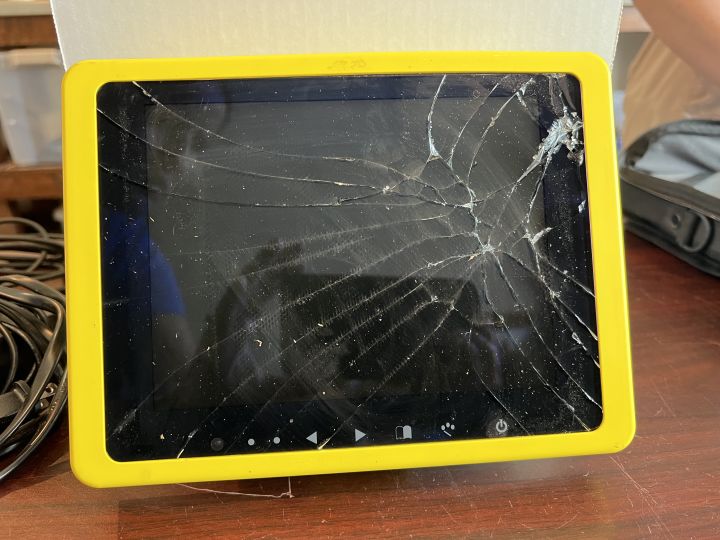
Service Check Reminder
When was the last time your ultrasound equipment had a thorough cleaning or service check?
Don’t test your luck this upcoming preg-checking season — send your unit in for a service check and head into the busy months with confidence. ReproScan equipment is built for durability and performance — designed to work as hard as you do. But like any hardworking tool, your ultrasound system needs periodic maintenance to stay reliable and efficient.
When should I send my machine in for a service check?
Getting your machine in for a service check every two years is recommended to ensure it is working at its best! Our repair department will thoroughly go through your machine to ensure it is running at peak performance before the next preg checking season. A check can ensure accurate imaging, optimal probe performance, and increase your machine’s lifespan. Even if everything appears to be working fine, small issues can develop quietly — and catching them early prevents costly breakdowns.

Equine Breeding Season
It’s that time of year again — equine breeding season. Are you prepared?
Equine breeding season is here. Now is the time to ensure your equipment, protocols, and team are ready for a smooth and successful season. To help you prepare, here are a few practical ultrasound tips and reminders:
Transrectal Ultrasound:
Depending on the indication and stage of the reproductive cycle, examinations may be performed transrectally or transabdominally. For most transrectal reproductive exams, a linear probe is preferred. Linear probes provide:
Small Ruminant Ultrasound Insights
As we head into spring, demand for small ruminant pregnancy ultrasound increases. Whether you need to identify open females or confirm bred animals, we are here to help. Here are some tips to keep in mind this season!
Preparation
When ultrasounding small ruminants transabdominally, we recommend using the C-60 T-Handle Probe, which can be plugged into our Flexx machine. It’s important to use plenty of alcohol, gel, or lube, either applied to the skin or directly onto the probe head, to get the best image possible.
Service Check Reminder
When was the last time your ultrasound equipment had a thorough cleaning or service check?
Don’t test your luck this upcoming preg-checking season — send your unit in for a service check and head into the busy months with confidence. ReproScan equipment is built for durability and performance — designed to work as hard as you do. But like any hardworking tool, your ultrasound system needs periodic maintenance to stay reliable and efficient.
When should I send my machine in for a service check?
Getting your machine in for a service check every two years is recommended to ensure it is working at its best! Our repair department will thoroughly go through your machine to ensure it is running at peak performance before the next preg checking season. A check can ensure accurate imaging, optimal probe performance, and increase your machine’s lifespan. Even if everything appears to be working fine, small issues can develop quietly — and catching them early prevents costly breakdowns.
December 2025
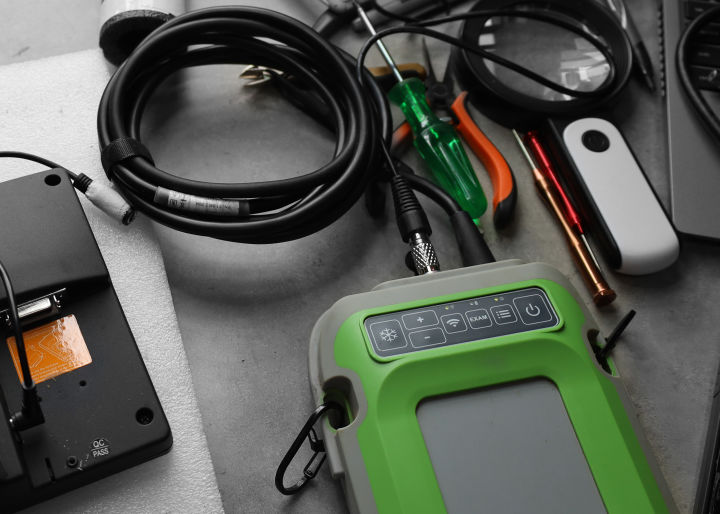
Equipment Charging Best Practices
FAQ: How Do I Charge My Equipment?
If you purchased an ultrasound and a monitor, each piece of equipment must be charged separately. These are two separate devices, and both require charging.
To keep things simple, both the monitor and the ultrasound use the same ReproScan charger, so ReproScan chargers are interchangeable between devices.
⚠️ Important: DO NOT use a charger other than a ReproScan charger. Using a non-ReproScan charger can permanently damage your equipment.